YOUR BODY REMEMBERS
Some things don't need to be learned.
They only need to be remembered.
Which is the very first thing you do when you get home after a long day?
After hours spent in the car.
At the office.
Walking busy streets.
Running from one place to another.
Maybe you put your bag down.
Maybe you open a window.
But always, there is one small gesture that comes first.
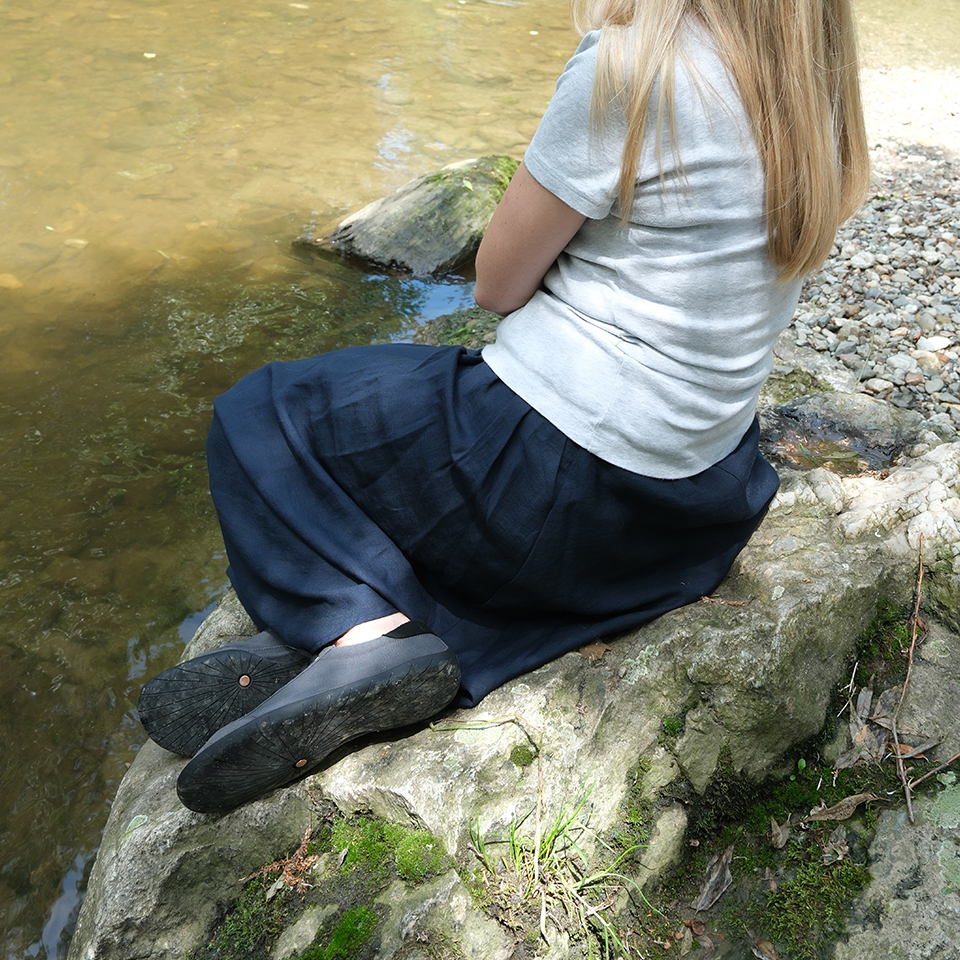
You take off your shoes.
Without thinking.
Without anyone telling you to.
Without following any rule.
You simply do it.
And for a brief moment, you feel a kind of relief that's hard to explain.
A sense of freedom.
Comfort.
Coming back to yourself.
Maybe because your body recognizes something your mind has forgotten.
Your body remembers.
It remembers what it feels like to move freely.
It remembers the ground beneath your feet.
It remembers what it's like to experience the world—not just move through it.
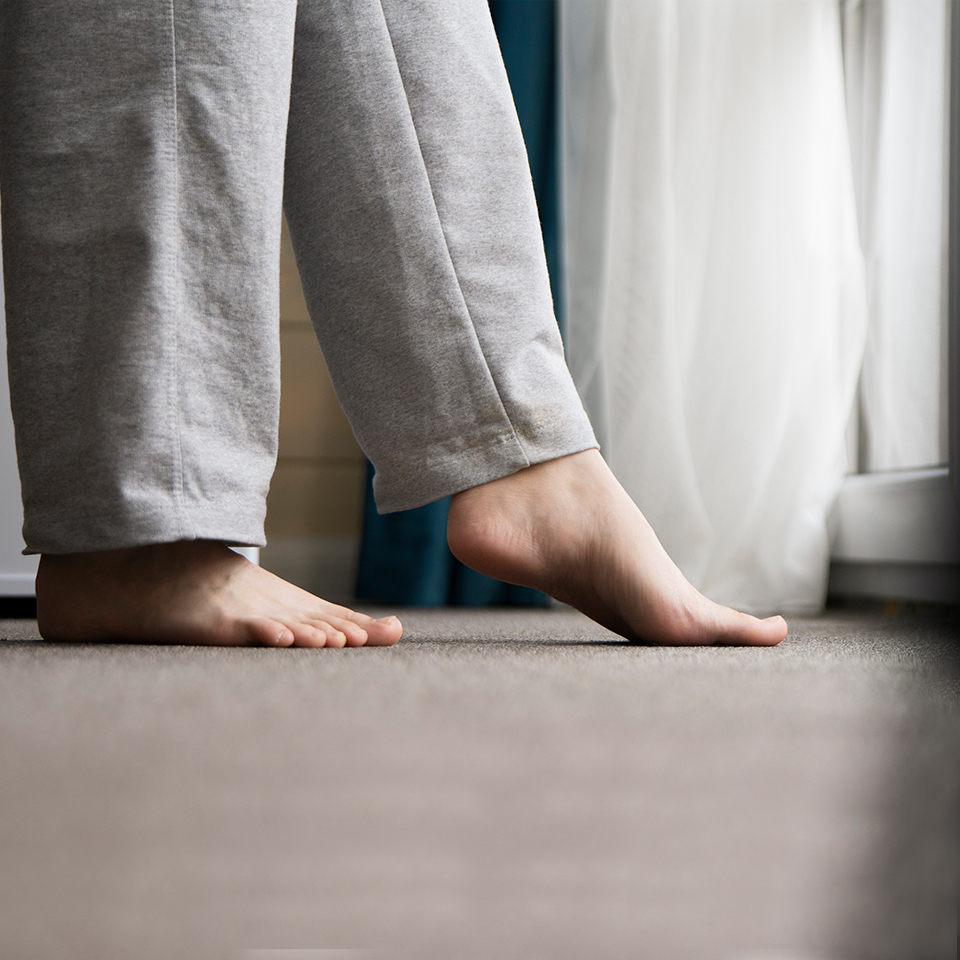
BAREFOOT IS HOME
Not because it's a place.
But because it's a feeling.
A state where you don't have to adapt.
Where your feet can move naturally.
Where your body feels comfortable exactly as it is.
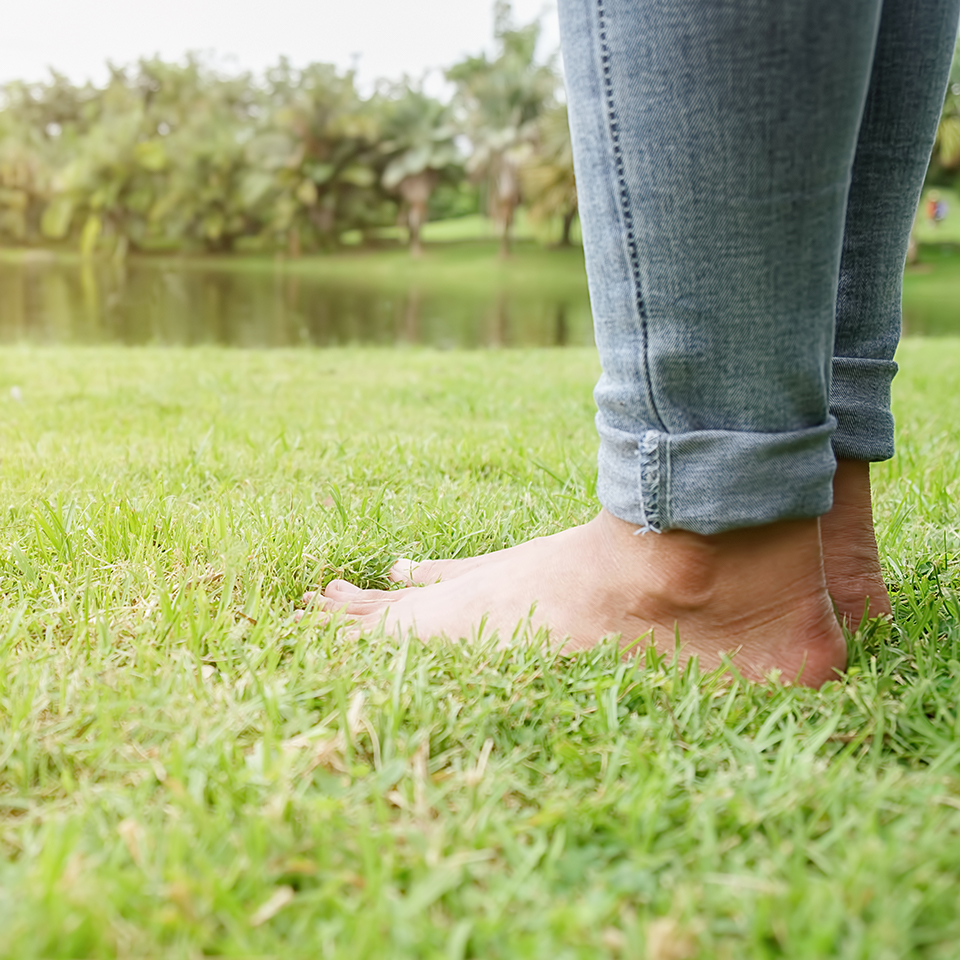
Maybe that's why we love walking barefoot on grass.
On warm sand.
On sun-heated earth.
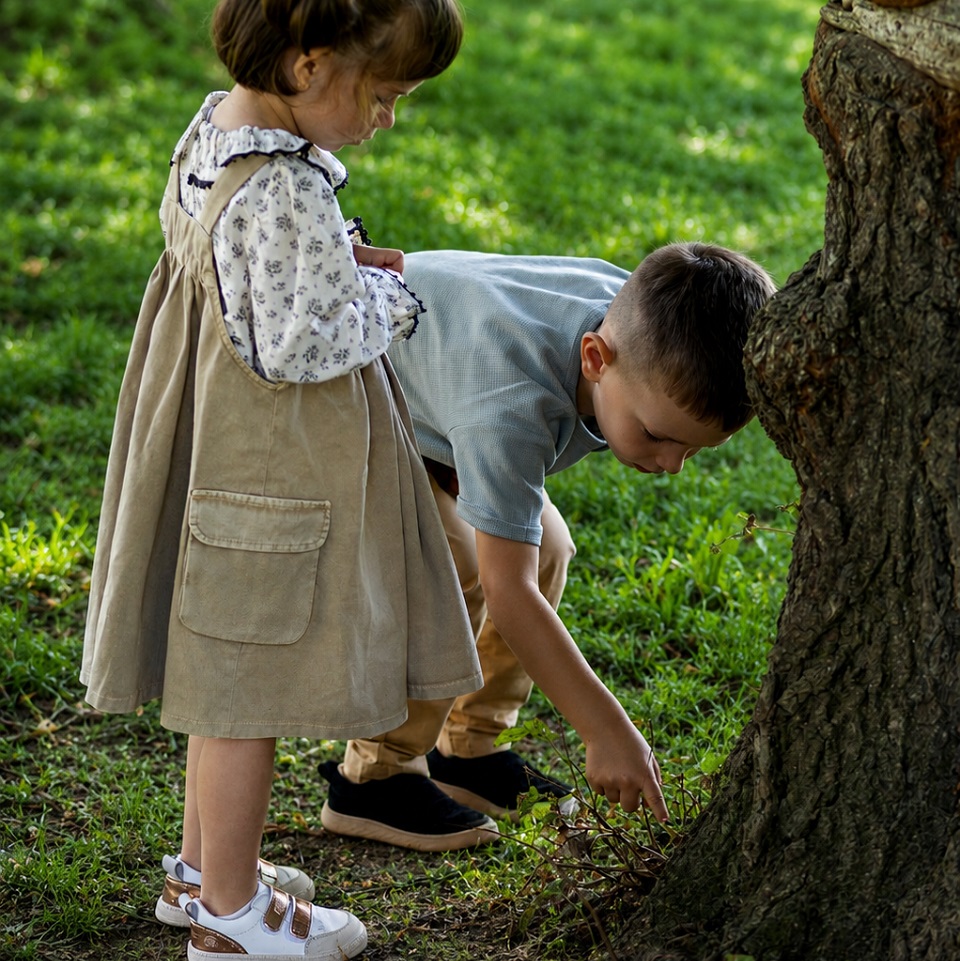
Maybe that's why children take off their shoes whenever they have the chance.
Maybe that's why, after a long day, the first thing we want to do is free our feet.
Not because we were taught to.
But because it feels natural.
RETURNING TO WHAT THE BODY ALREADY KNOWS
We live in a world where we're connected to almost everything.
Yet sometimes we feel disconnected from the simplest things.
From nature.
From our own bodies.
From the ground we walk on every day.
Our feet are one of the most important connections between us and the world around us.
Through them, we feel.
We balance.
We move.
We explore.
We learn.
With every step, the body receives information about the surface beneath it, its position in space, and how it should adapt to its environment.
Our feet are far more than a means of transportation.
They are one of the primary ways we communicate with the world.
THE FOOT IS A MASTERPIECE OF NATURE
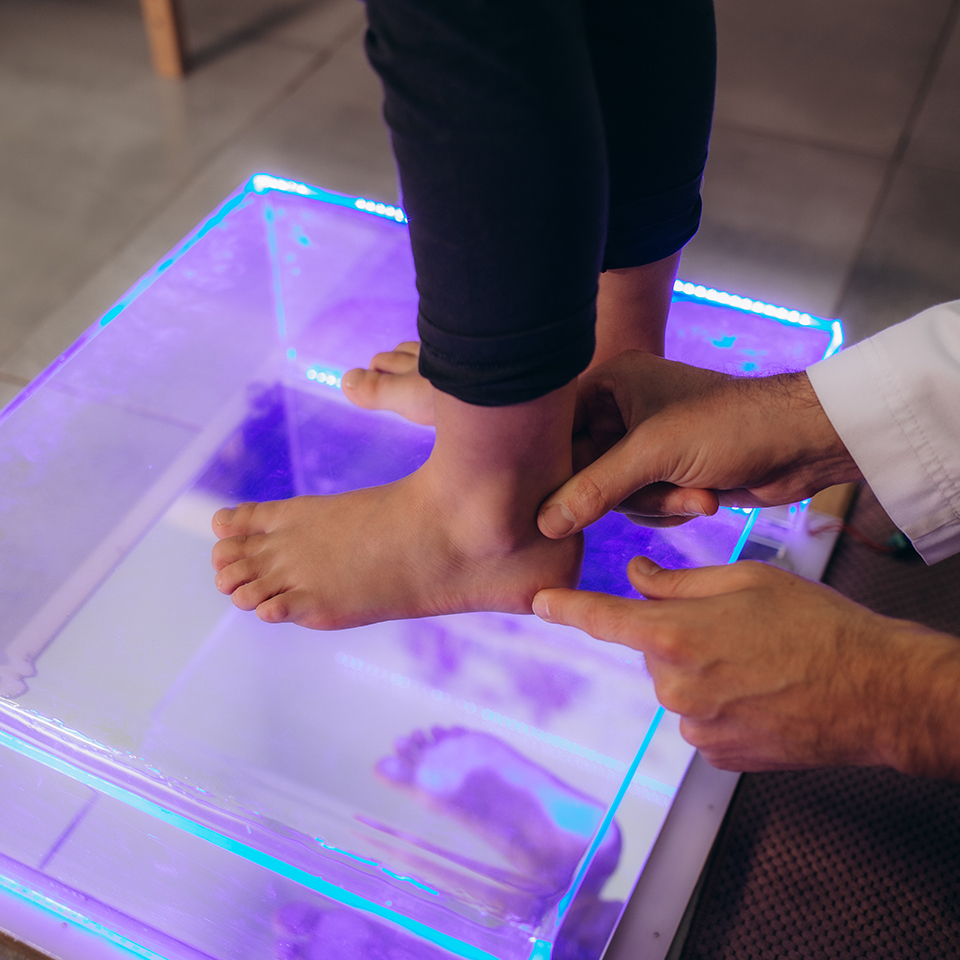
Each foot contains 26 bones, 33 joints, and more than 100 muscles, tendons and ligaments working together in remarkable harmony.
It was designed to be:
Strong, yet flexible.
Stable, yet adaptable.
Resilient, yet sensitive.
Every arch.
Every joint.
Every toe.
Each has a purpose.
The foot absorbs impact.
Maintains balance.
Creates movement.
And constantly sends information to the brain.
It is a masterpiece of nature.
WHAT CHANGED?
For thousands of generations, humans walked barefoot or wore simple footwear that allowed the foot to function naturally.
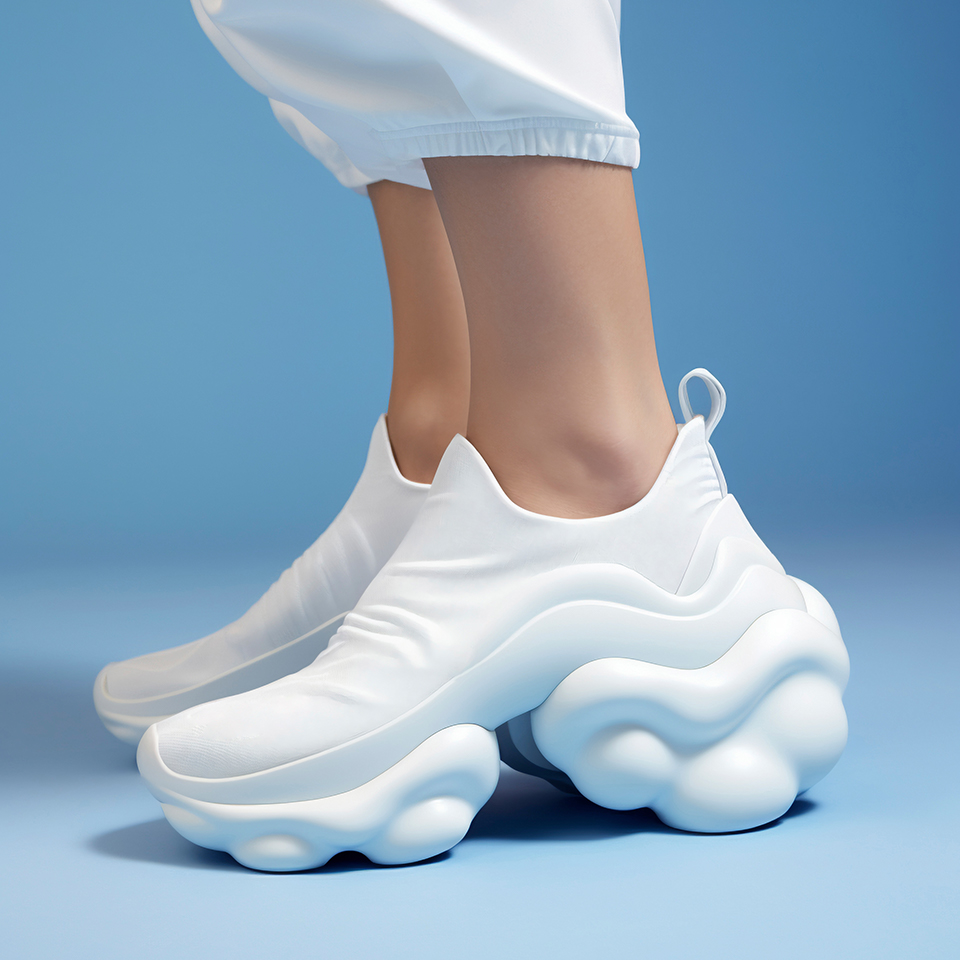
Then we started adding layers.
More cushioning.
More support.
More control.
More distance between ourselves and the ground.
And as footwear gradually took over more of the foot's natural functions, our feet were asked to do less.
Not because they became less capable.
But because they no longer had the opportunity.
THE BAREFOOT SHOES PHILOSOPHY
It's not about doing less. It's about allowing more.
Barefoot begins with one simple idea:
The body functions best when we allow it to use the abilities it already has.
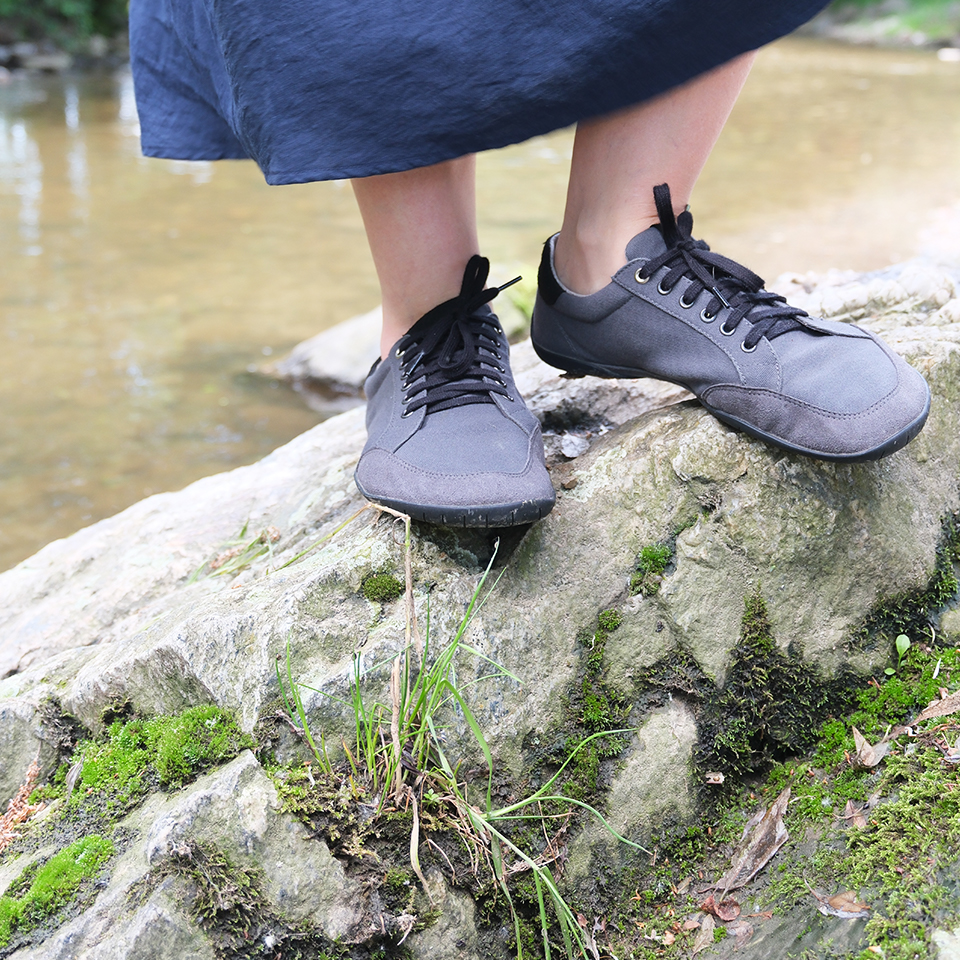
Barefoot shoes are not designed to correct every movement.
They are not meant to replace the work of the foot.
They are not meant to control it.
Instead, they create the space the foot needs to function naturally.
That's why barefoot footwear offers:
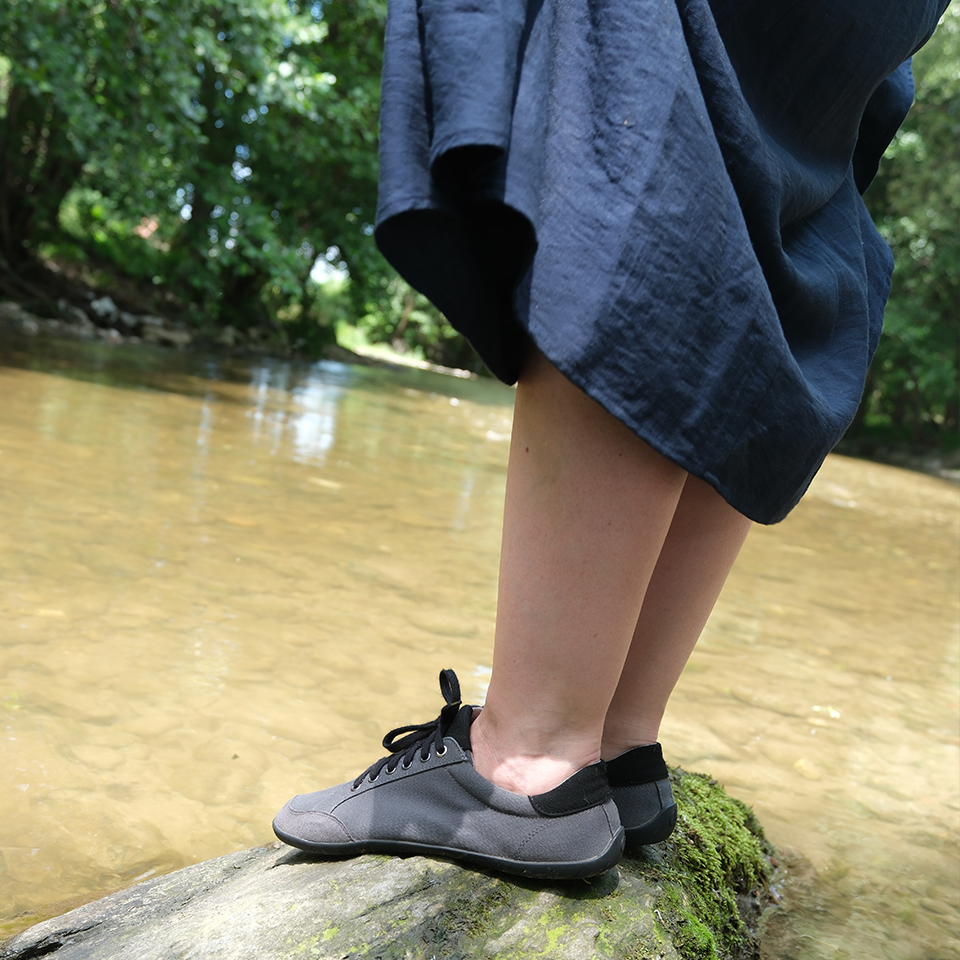
Room for the toes
Because your toes play a vital role in balance and stability.
Flexibility
Because feet are meant to bend, adapt and respond.
Zero drop
Because natural posture starts from the ground up.
A closer connection to the ground
Because the body needs to feel in order to adapt.
THE BODY LEARNS THROUGH SENSATION
Every step is a conversation.
Between your body and the ground.
Between movement and balance.
Between perception and adaptation.
A forest trail.
Morning dew on the grass.
Warm sand.
Fine gravel beneath your feet.
Every surface provides information.
And the body responds.
The more we feel, the more naturally we move.
CHILDREN REMEMBER BEST
Before they learn rules, children follow instinct.
They run.
They jump.
They climb.
They explore.
They use their bodies exactly as they were designed to.
They are not searching for perfect movement.
They are searching for experience.
Curiosity.
Discovery.
That's why healthy development begins with freedom of movement.
Not restriction.
Not rigidity.
Not shoes that ask the foot to adapt.
But footwear that respects the natural shape of the foot.
CLOSER TO THE EARTH
CLOSER TO OURSELVES
Maybe we don't need more technology.
Maybe we need more connection.
More connection with nature.
More connection with our bodies.
More connection with the simple things that have always been part of us.
The earth.
Movement.
Freedom.
Because sometimes the most important things are not the ones we learn.
They're the ones we remember.
MORE THAN A PHILOSOPHY
Supported by science. Respected by specialists.
Interest in natural movement and healthy foot development has grown steadily over the past decade, with an increasing number of studies exploring how footwear influences foot function.
Research published in peer-reviewed journals suggests that minimalist footwear may help support:
-
activation of the intrinsic foot muscles
-
the development of natural foot strength and mobility
-
improved body awareness and proprioception
-
the natural function of the toes and foot arches
Many podiatrists, physiotherapists and child development specialists also agree on one simple principle:
Healthy feet need room to move and develop naturally.
Of course, every individual is different, and the transition to barefoot footwear should always be gradual and adapted to personal needs.
But one thing remains constant:
The more we understand how the foot works, the more we realize that nature has already created an extraordinary system.
Nature spent millions of years designing your feet.
Maybe they're already enough.
ERDA
Connecting to Earth.
Your body remembers.
Barefoot is home.
References & Further Reading
Human Foot Biomechanics:
-
Lieberman, D. E. (2012). What We Can Learn About Running from Barefoot Running: An Evolutionary Medical Perspective. Exercise and Sport Sciences Reviews.
-
Miller, E. E., Whitcome, K. K., Lieberman, D. E., Norton, H. L., & Dyer, R. E. (2014). The Effect of Minimal Shoes on Arch Structure and Intrinsic Foot Muscle Strength. Journal of Sport and Health Science.
Minimalist Footwear & Foot Strength:
-
Xu, J., Saliba, S. A., & Jaffri, A. H. (2023). The Effects of Minimalist Shoes on Plantar Intrinsic Foot Muscle Size and Strength: A Systematic Review. International Journal of Sports Medicine.
-
Curtis, R. et al. (2021). Daily Activity in Minimal Footwear Increases Foot Strength. Scientific Reports (Nature).
-
Rodríguez-Longobardo, C. et al. (2025). Effects of Barefoot and Minimalist Footwear Strength-Oriented Training: A Systematic Review.
Children's Foot Development:
-
Wegener, C. et al. (2011). Effect of Children's Shoes on Gait: A Systematic Review and Meta-analysis. Journal of Foot and Ankle Research.
-
Fong Yan, A. et al. (2024). Minimalist School Shoes Improve Intrinsic Foot Muscle Size and Strength in Primary School Children. Journal of Sports Sciences.
Foot Function & Minimal Footwear:
-
Peters-Dickie, J. L. et al. (2025). The Effects of Foot Core Exercises and Minimalist Footwear on Foot Muscle Size, Strength and Biomechanics: A Systematic Review and Meta-analysis. Clinical Biomechanics.
A short note
The philosophy behind erda is inspired by the body's natural design and supported by a growing body of scientific research. At the same time, we recognize that every foot is unique. Transitioning to minimalist footwear should always be gradual and adapted to each individual. If you have existing foot conditions, chronic pain or injuries, we recommend consulting a healthcare professional before making the transition.